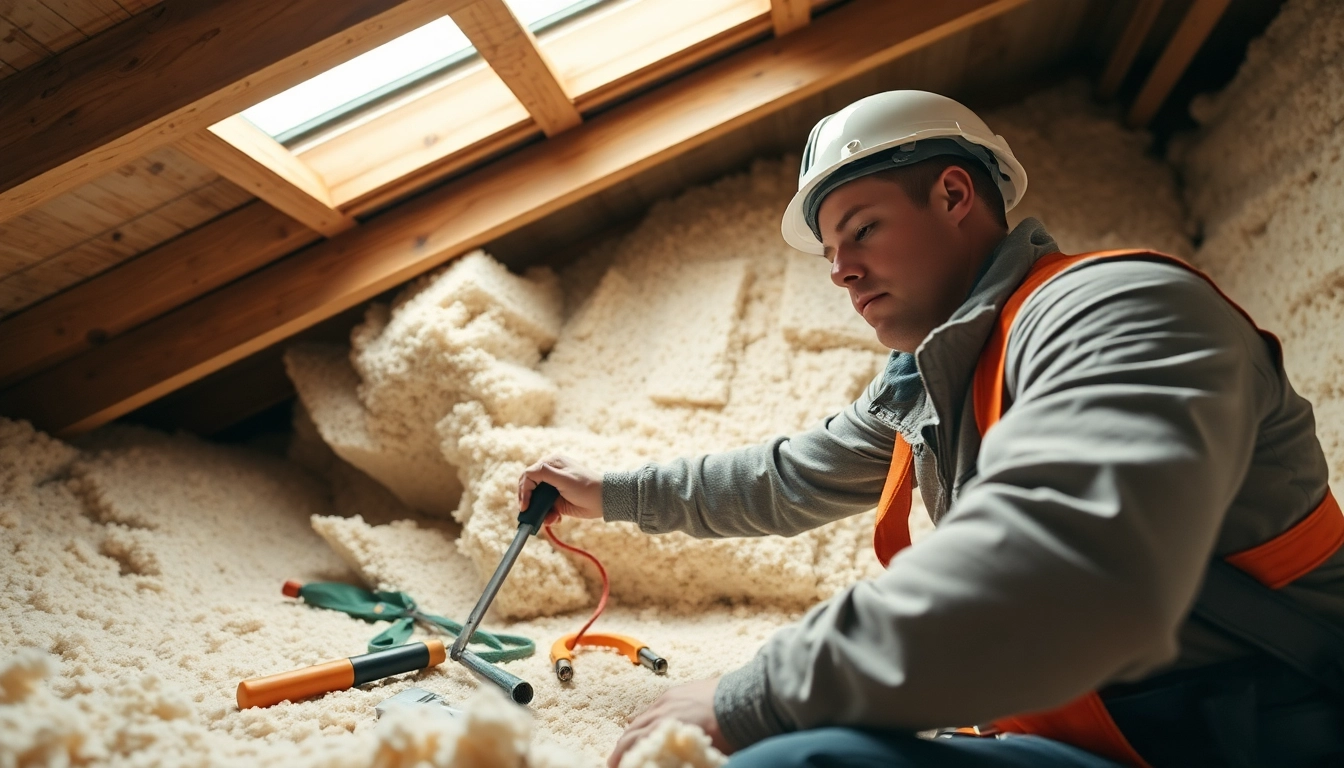
Understanding Roof Spray Foam Insulation Removal
What is Roof Spray Foam Insulation?
Roof spray foam insulation, commonly made from a mixture of isocyanate and polyol resin, is a popular method used to insulate roofs, providing thermal resistance and reducing energy costs. The foam is applied as a liquid that expands, filling gaps and adhering strongly to the surfaces, creating a seamless barrier against air leaks and moisture. This innovative insulation solution has gained traction due to its effectiveness in achieving high R-values, which measure insulation’s resistance to heat flow, thereby enhancing energy efficiency within buildings.
Why Remove Roof Spray Foam Insulation?
Despite the advantages of roof spray foam insulation, there are several reasons homeowners and property managers may consider its removal. Over time, issues like degradation due to weather exposure, moisture accumulation, and structural damage can lead to decreased performance and potential hazards such as mold growth or compromised roof integrity. Additionally, if the insulation was improperly installed or no longer meets building codes or personal preferences, removal becomes essential. Opting for removal enables property owners to restore their roofs to optimal conditions, paving the way for either repairs or the installation of new, more suitable insulation materials. For those looking for guidance, exploring roof spray foam insulation removal practices can provide valuable insights.
Common Challenges in Insulation Removal
Removing roof spray foam insulation is not without its challenges. One major issue is the potential for damage to the underlying structure, such as the roof deck or existing materials, during the removal process. Additionally, dealing with stubborn foam that has firmly adhered to surfaces can require significant effort and specialized tools. Safety concerns also arise, especially when working with chemicals and potentially hazardous dust or debris. Another challenge is ensuring proper disposal, as many regions have regulations regarding the disposal of construction materials. Thus, it is imperative to approach the removal process with thorough planning and the right resources.
Preparation for Roof Spray Foam Insulation Removal
Tools Required for the Job
To effectively remove roof spray foam insulation, specific tools are necessary to facilitate a safe and efficient operation. Essential tools include:
- Utility Knife: A sharp utility knife is crucial for cutting through the foam and fibers effectively.
- Foam Removal Tools: Specialized scraping tools and blades designed for foam removal help tackle both small and large areas.
- Heat Gun: This tool can be useful in softening the foam, making it easier to remove.
- Personal Protective Equipment (PPE): Gloves, goggles, and respirators are essential to protect against dust and chemical exposure.
- Vacuum with HEPA Filter: A vacuum equipped with a HEPA filter helps minimize dust inhalation and keeps the workspace clean.
Safety Measures and Precautions
Prioritizing safety is paramount when undertaking roof spray foam insulation removal. To minimize risks, start by securing the work area to prevent unauthorized access. Always wear appropriate PPE, including gloves and a mask, to protect against harmful particles. Ventilation is also crucial, so ensure that the working environment is properly ventilated to avoid inhaling toxic fumes released from old insulation. It may also be wise to have a fire extinguisher on hand, especially when using heat tools, to address any accidental ignitions promptly. Understanding how to safely manage the removal process can significantly reduce hazards during insulation removal.
Assessing Your Roof’s Condition
Before starting the removal, assessing the condition of your roof is essential. Inspect for signs of water damage, mold growth, or structural instability. If the roof deck is compromised, addressing those issues first may be necessary prior to insulation removal. Existing repairs or wear can influence how foam insulation is removed and what methods will be most effective. Furthermore, checking for compliance with current building codes ensures that any new insulation replacement will meet necessary standards. A thorough assessment lays the groundwork for a successful procedure.
Step-by-Step Guide to Roof Spray Foam Insulation Removal
How to Remove Foam Insulation Effectively
Executing roof spray foam insulation removal can be a detailed process. Here’s a step-by-step approach to effectively removing foam insulation:
- Remove Accessibility Barriers: Clear any obstructions around your work area to enable easy access to the roof.
- Prepare Tools: Gather all the necessary tools to avoid interruptions during the process and ensure efficiency.
- Cut the Foam: Using the utility knife, make continuous cuts through the foam, working from one corner toward the opposite side.
- Scrape Off the Foam: Employ the foam removal tools to start scraping the insulation off the roof surface while being cautious to avoid damage.
- Utilize Heat If Necessary: If the foam proves stubborn, use a heat gun to soften it, making it easier to scrape.
- Vacuum Dust and Debris: Regularly use a vacuum equipped with a HEPA filter to keep your workspace free from dust and debris.
- Check for Remaining Residue: After removing the bulk of the foam, inspect the roof surface for any residue and clean thoroughly.
Proper Disposal of Removed Materials
Disposing of the removed roof spray foam insulation requires careful consideration. Many construction materials are subject to local regulations regarding waste disposal. Check with local authorities or waste management services for guidelines concerning the disposal of foam insulation. If possible, seek out recycling options that may be available in your area. Proper disposal not only helps in maintaining a clean environment but also aligns with sustainable practices. Ensure all removed insulation is packaged correctly to prevent contamination or harm during transport.
Post-Removal Cleanup
After all foam insulation has been removed, a thorough cleanup is crucial. This should include:
- Emptying Work Area: Remove all tools and equipment used during the project.
- Cleaning Surfaces: Sweep and vacuum the area to remove dust and debris that may have accumulated.
- Inspect for Residue: Ensure the roof surface is free from adhesive residue or leftover foam that might interfere with new installations.
- Decontamination: Collect and safely dispose of all debris and cleaning materials used during the process following local disposal guidelines.
Best Practices After Roof Spray Foam Insulation Removal
Repairing Any Damage
After removal, it’s imperative to inspect for any damage that might have occurred to the roof structure. Common issues include deteriorating roof boards, leaks, or mold growth that can arise if moisture was trapped beneath the insulation. Repair any structural damage before proceeding with new insulation installation to ensure longevity and performance of your roof. Employing the expertise of a qualified contractor can help ensure that repairs are completed effectively.
Choosing New Insulation Options
Once the roof surface is ready, it’s time to consider new insulation options. Several alternative materials offer varied advantages and disadvantages. Some popular options include fiberglass batts, cellulose, or newer spray foam characteristics. Evaluating factors such as R-value, price, installation complexity, and environmental impact will help you make an informed choice. Consulting with insulation professionals can provide tailored advice based on your roof’s specific needs and performance goals.
Ensuring Long-term Roof Health
To ensure the long-term health of your roof, establish a regular maintenance routine, which includes inspections at least twice a year. It’s essential to check for any signs of water accumulation, such as stains or sagging, as these can indicate deeper structural issues. Additionally, ensure gutters are free from debris, promoting proper drainage—this can prevent moisture buildup, which can negatively impact your roof’s performance. Being proactive with maintenance will not only extend the life of your roof but also save you money on costly repairs in the future.
Frequently Asked Questions
What is the cost of roof spray foam insulation removal?
The cost of removing roof spray foam insulation varies widely based on roof size, accessibility, and complexity of removal but may range from hundreds to thousands of dollars.
Can I remove foam insulation myself?
While DIY removal of foam insulation is possible, it requires proper tools, safety equipment, and knowledge of handling hazards, so professional help is often advisable.
How long does the removal process take?
The time taken for removal largely depends on the roof size and complexity, often ranging from a few hours to several days for thorough removal and cleanup.
What should I do if I encounter mold?
If mold is discovered during removal, it’s crucial to stop work immediately, seal off the area, and consult a professional mold remediation service for safe removal.
Are there any eco-friendly disposal options?
Yes, some regions offer recycling services for insulation materials. Research local disposal regulations and options to ensure eco-friendly practices are followed.