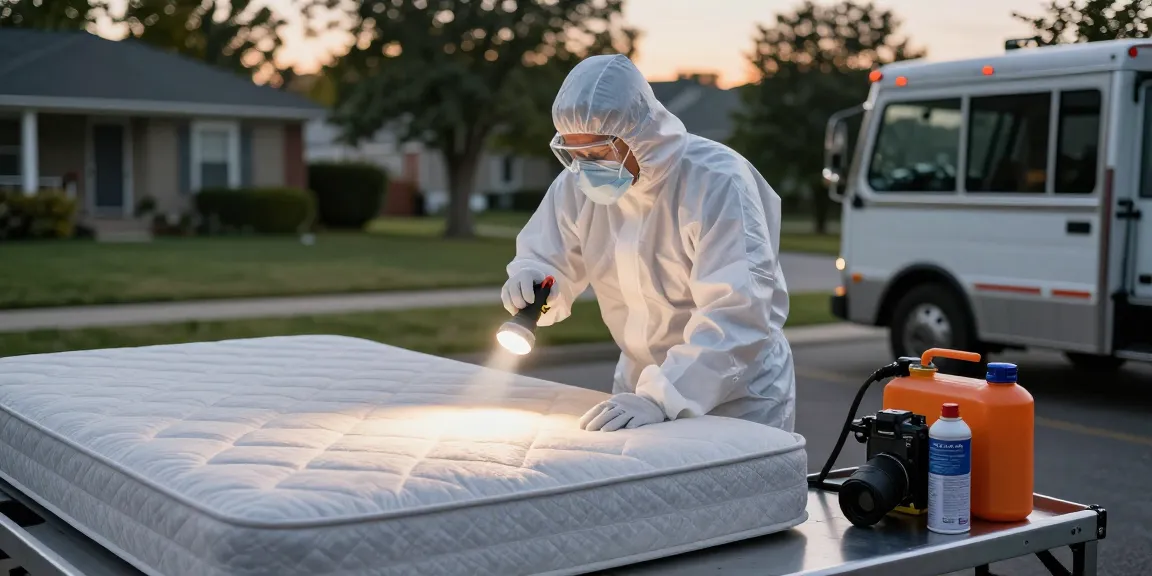
Understanding Bed Bug Control: A Comprehensive Guide
Bed bugs are notorious for their ability to infest homes and disrupt lives. These tiny, nocturnal pests are adept at hiding and can quickly turn a peaceful home into a stressful environment. Understanding bed bug control is essential for anyone facing an infestation. This guide will explore the nature of bed bugs, signs of infestation, and the importance of professional extermination to regain control of your home.
What Are Bed Bugs and Why Control Them?
Bed bugs (Cimex lectularius) are small, oval insects that feed on the blood of humans and animals. They are primarily nocturnal, emerging at night to feed. These pests can survive months without feeding and reproduce rapidly, creating a challenging situation for homeowners. Recognizing the signs of bed bug infestations early is crucial to stop them in their tracks. Ignoring an infestation can lead to increased discomfort, sleepless nights, and a costly extermination process.
Common Signs of Infestation
Identifying a bed bug problem can be tricky, as these insects are adept at hiding. However, there are several signs that can indicate their presence:
- Bites on Skin: Often, the first sign of a bed bug infestation is finding bite marks on your skin. These bites can appear as red, itchy welts.
- Blood Stains: You may notice small blood spots on your sheets or mattress from crushed bugs.
- Dark Spots: Bed bugs excrete dark, inky spots that can be found on bedding, furniture, and walls.
- Live Bugs: Adult bed bugs are about the size of an apple seed and can be seen with the naked eye, especially in the seams of mattresses or furniture crevices.
Why You Should Trust Professionals for Bed Bug Control
While there are DIY options for bed bug control, professional exterminators offer extensive knowledge and resources that are far more effective. Their methods can save you time, money, and frustration in the long run, ensuring that all life stages of the bed bug are eliminated.
Effective Bed Bug Treatment Options Available
Heat Treatment: Pros and Cons
Heat treatment is a highly effective method for eradicating bed bugs. By raising the temperature of a room to a level that is lethal to bed bugs, this method can eliminate all life stages, including eggs. The primary advantages of heat treatment include:
- Environmentally Friendly: No chemicals are used, making it a safer option for your family and pets.
- Rapid Results: Heat treatment can often be completed in just a few hours, providing quick relief.
However, heat treatment may not be suitable for all situations, especially if you have sensitive electronics or items that cannot withstand high temperatures.
Chemical Spray Treatments Explained
Chemical treatments involve the application of insecticides designed to kill bed bugs on contact and provide residual effects. The benefits of chemical treatments include their long-lasting barrier against future infestations, lasting up to 120 days in some cases. Despite their effectiveness, homeowners should carefully follow safety instructions and prepare their home adequately.
Combination Methods for Maximum Efficacy
For severe infestations, using a combination of heat and chemical treatments can produce the best results. This method allows for immediate extermination of visible bugs while also establishing a protective barrier to prevent future infestations.
Identifying Bed Bug Behavior and Hiding Spots
Travel Habits of Bed Bugs
Bed bugs are excellent hitchhikers, often traveling from place to place via clothing, luggage, and used furniture. They thrive in environments that allow easy access to hosts at night, making hotels, public transport, and shared living spaces prime targets for infestation.
Common Hiding Places in Homes
Understanding where bed bugs hide is crucial for effective control. They often seek refuge in:
- Seams of mattresses and box springs
- Bed frames and headboards
- Couches and chairs
- Baseboards and cracks in walls
- Bedding and personal belongings
Regular inspections of these areas can help catch infestations early.
Understanding Their Reproductive Patterns
Bed bugs are prolific breeders. A female can lay up to 500 eggs during her lifetime, which can lead to a rapid increase in the population. Understanding these reproductive patterns highlights the importance of acting swiftly upon recognizing signs of infestation.
DIY vs. Professional Bed Bug Control Solutions
When to Attempt DIY Methods
While there are various DIY methods available, such as steam cleaning and specific chemical sprays, these approaches are often only effective for minor infestations. For larger problems, professional treatments are recommended.
Advantages of Professional Extermination Services
Professional exterminators bring specialized equipment, expertise, and tailored strategies to effectively eliminate bed bugs. Their ability to assess an entire property ensures that all infested areas are treated. Additionally, they offer peace of mind through warranties or guarantees on their services.
Cost Analysis: DIY vs. Professional Treatments
The cost of DIY methods may initially seem lower; however, the expense can accumulate if the infestation persists. Professional services, while potentially more expensive upfront, often provide long-term savings by ensuring complete eradication.
Future Trends in Bed Bug Control for 2026 and Beyond
Emerging Technologies in Pest Control
The pest control industry is witnessing advancements in technology, including more efficient heat treatment equipment and targeted insecticides that minimize environmental impact. Expected innovations could lead to more effective and user-friendly solutions for consumers.
Eco-Friendly Solutions and Their Effectiveness
With rising awareness of environmental concerns, eco-friendly pest control methods are becoming increasingly popular. These solutions aim to minimize chemical exposure while still effectively addressing infestations. Many homeowners are now seeking such alternatives.
Consumer Awareness: The Key to Prevention
Education plays a pivotal role in preventing bed bug infestations. Homeowners who understand the signs and habits of these pests are better equipped to avoid bringing them into their homes. Awareness campaigns can empower consumers to take preventive actions.
What are the Best Prevention Strategies for Bed Bugs?
Preventing bed bugs is often easier than removing them once they’ve established an infestation. Here are some strategies:
- Regularly inspect second-hand furniture before bringing it home.
- Use protective covers on mattresses and box springs.
- Vacuum regularly and dispose of the vacuum bag immediately.
- Seal cracks and crevices in walls and floors to minimize hiding spots.
How Can I Tell if a Bed Bug Treatment Worked?
After treatment, monitor for signs of bed bugs, such as bites or visual sightings. It’s essential to maintain an observational routine in the weeks following extermination to ensure that any lingering bugs are addressed promptly.
Are There Home Remedies That Are Effective for Bed Bugs?
While some home remedies may provide temporary relief, they are generally not sufficient for complete extermination. Professional treatments are recommended for established infestations.
What Should I Do if I Find Bed Bugs Again?
If bed bugs reappear, it’s crucial to contact your pest control provider immediately. They can reassess the situation and provide a targeted approach to effectively handle the new infestation.
How Do Professionals Ensure Complete Bed Bug Removal?
Professional exterminators utilize a combination of advanced techniques, including thorough inspections and customized treatments, to ensure that all bed bugs are eradicated from the environment. Their expertise and methods are designed to address even the most challenging infestations.