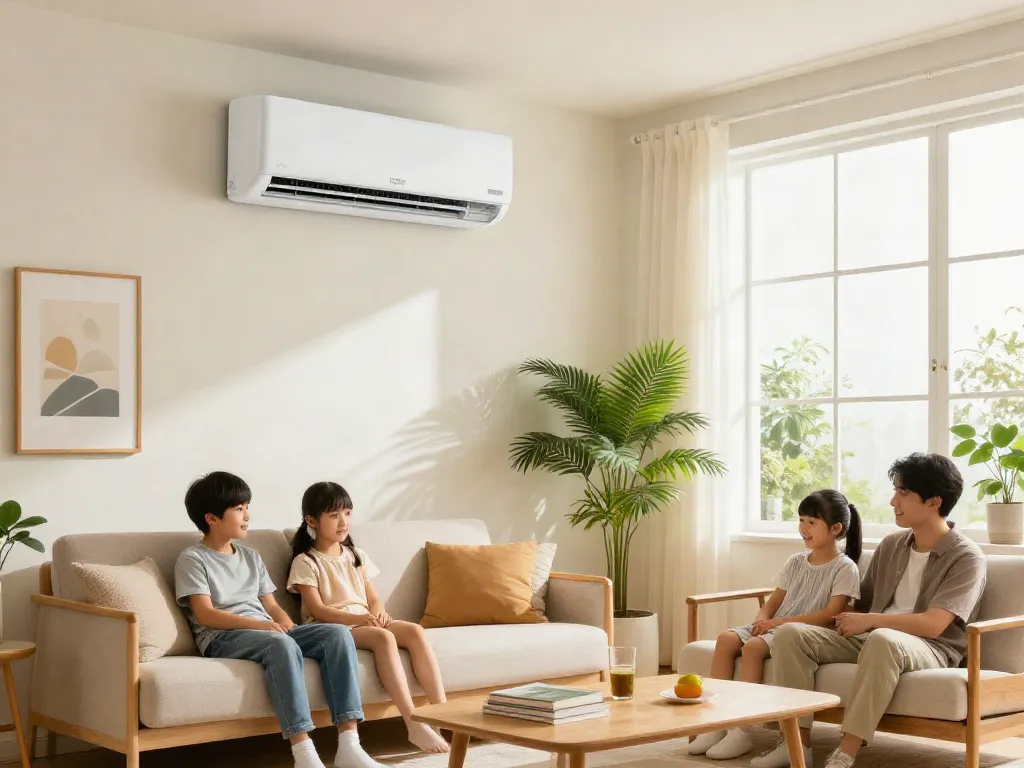
Understanding Ductless Air Conditioner Minis
Ductless air conditioner minis, often referred to as mini-split systems, are rapidly gaining popularity in the HVAC market due to their versatility and efficiency. Unlike traditional air conditioning systems that require extensive ductwork, these units provide targeted cooling and heating without the need for ducts, making them an ideal solution for a wide range of residential and commercial applications. When exploring options, ductless air conditioner mini systems offer an innovative way to enhance comfort while optimizing energy use.
What is a Ductless Air Conditioner Mini?
A ductless air conditioner mini is a compact, energy-efficient system that includes an outdoor compressor and one or more indoor air-handling units. This setup allows for flexible placement of the indoor units, which can be mounted on walls, ceilings, or even hidden in ceilings for a discreet look. The ability to control the temperature in individual rooms or zones sets ductless mini-splits apart from traditional central air systems, which cool or heat the entire space uniformly.
How Ductless Systems Work
Ductless mini-split systems operate using a heat pump technology that efficiently transfers heat from one area to another. During the cooling mode, the indoor unit absorbs heat from the room, while the outdoor unit expels it outside. Conversely, in heating mode, the process is reversed, pulling heat from the outside air and delivering it indoors. This dual functionality allows ductless mini-splits to serve as both air conditioners and heaters, making them suitable for year-round comfort.
Advantages Over Traditional AC Systems
- Energy Efficiency: Ductless systems can achieve higher energy efficiency ratings due to their targeted cooling and heating capabilities, resulting in lower energy bills.
- Flexible Installation: With no ductwork necessary, installation is easier and less invasive, making it ideal for retrofitting older homes or adding climate control to rooms without existing HVAC systems.
- Zonal Control: Homeowners can customize temperatures in different areas, allowing for tailored comfort and efficiency.
- Quiet Operation: Most ductless systems function much quieter than traditional units, enhancing the comfort of living spaces.
Choosing the Right Ductless Air Conditioner Mini
Factors to Consider for Home Installations
When selecting a ductless air conditioner mini, several factors come into play, including the size of the space, insulation quality, and the number of zones you wish to cool or heat. It's essential to calculate the required BTU (British Thermal Unit) output for the specific room to ensure optimal efficiency and comfort.
Comparing Brands and Models
Not all ductless systems are created equal. When comparing brands and models, consider efficiency ratings such as SEER (Seasonal Energy Efficiency Ratio) and HSPF (Heating Seasonal Performance Factor), which indicate the performance of cooling and heating. Look for reputable brands with solid warranties and customer service records. Some top contenders in the market include Mitsubishi Electric, Fujitsu, and Daikin, each offering a range of models tailored to different needs.
Energy Efficiency Ratings and Costs
Investing in a ductless air conditioner mini can lead to significant energy savings over time. Systems with higher SEER ratings typically cost more upfront but yield lower operational costs. Be sure to analyze the initial investment against long-term energy savings to identify the best value. Additionally, inquire about local rebates or tax incentives that may be available for energy-efficient HVAC upgrades.
Installation and Maintenance of Ductless AC
Professional vs. DIY Installation
While some homeowners may consider the DIY approach for installing a ductless mini-split, professional installation is recommended to ensure proper setup and optimization. Professionals can accurately assess your home’s needs, ensuring that the system is correctly sized and placed for maximum efficiency. A poorly installed system can lead to inefficiency, higher energy bills, and potential damage.
Maintenance Tips for Longevity
Regular maintenance is crucial to extend the life of your ductless system. Here are some essential tips to keep your unit running smoothly:
- Clean or replace air filters regularly to improve airflow and indoor air quality.
- Schedule annual professional inspections to check refrigerant levels and system performance.
- Keep outdoor units clear of debris, ensuring free airflow and preventing overheating.
Common Issues and Troubleshooting
Common issues with ductless mini-splits include inadequate cooling or heating, unusual noises, and refrigerant leaks. Troubleshooting can often be performed by homeowners, such as cleaning filters or checking remote control batteries. However, significant issues should always be addressed by a qualified technician to avoid further complications.
Maximizing Comfort with Ductless Systems
Setting the Right Temperatures for Zonal Control
To maximize comfort, it’s important to set the correct temperatures for the various zones your ductless system addresses. For example, bedrooms can be set a few degrees cooler at night for better sleep quality, while common areas can be maintained at a more moderate temperature during the day. Utilizing the zoning capability of ductless systems can lead to significant energy savings.
Customizing Airflow and Direction
Most ductless mini-split systems allow homeowners to customize airflow direction and intensity, providing the ability to direct cool air precisely where it is needed. This feature is especially useful in larger rooms or open spaces where airflow may need to be adjusted based on furniture placement or seasonal needs.
Integrating Smart Home Technology
Modern ductless systems can integrate with smart home technology, allowing for remote control through smartphones or home automation systems. This convenience enables users to adjust settings from virtually anywhere, promoting energy efficiency and comfort without needing to be physically present.
Future Trends in Ductless Technology
Emerging Technologies for 2026 and Beyond
As technology evolves, the ductless air conditioning market is witnessing innovations that enhance efficiency and user experience. Emerging technologies include advanced inverter-driven compressors that adapt to changing temperature needs, improving energy efficiency and comfort. Additionally, developments in refrigerants are aiming to reduce environmental impact while maintaining performance.
Sustainable Practices in Cooling Solutions
With a growing emphasis on sustainability, many manufacturers are developing systems that utilize eco-friendly refrigerants and energy-efficient designs. These advances not only help to minimize carbon footprints but also appeal to environmentally-conscious consumers looking to make greener choices in climate control.
Consumer Insights and Market Predictions
Market research indicates an increasing consumer preference for ductless systems driven by their efficiency, flexibility, and minimal installation requirements. As market demand grows, more manufacturers are entering the field, resulting in varied options that cater to different budgets and preferences. This trend suggests a promising future where ductless technology becomes a standard solution for residential and commercial climate control.
What is the average cost of a ductless air conditioner mini?
The average cost for a ductless air conditioner mini can vary significantly based on the system size, brand, and installation specifics. Homeowners can expect to pay anywhere from $1,500 to $5,000, including installation, depending on the complexity of the setup.
How do I install a ductless air conditioner mini?
Installation involves mounting the indoor unit, connecting refrigerant lines, and installing the outdoor unit. While some homeowners may attempt DIY installation, it’s advisable to hire a certified professional to guarantee proper installation and compliance with local regulations.
Can ductless systems heat and cool my home?
Yes, ductless systems are designed to provide both heating and cooling capabilities, making them versatile solutions for year-round comfort. This dual functionality is especially beneficial in regions with varying seasonal temperatures.
What are the benefits of using ductless air conditioners?
Some key benefits include energy efficiency, flexible installation options, zoned temperature control, and reduced noise levels. Additionally, these systems require less maintenance compared to traditional HVAC options.
How energy-efficient are ductless mini-split systems?
Ductless mini-splits typically have high SEER ratings, often ranging from 16 to 26, indicating exceptional energy efficiency compared to traditional units. This efficiency translates into lower energy consumption and reduced utility costs.